Building healthier habits doesn’t have to mean overhauling your entire life at once. With the right smart devices, you can automate good choices, track your progress, and remove daily friction that usually derails wellness goals. From nutrition and movement to sleep and stress management, technology can quietly work in the background and keep you consistent, even when motivation dips.
1. Smart Water Bottles for Effortless Hydration
Most people underestimate how much water they drink, which can lead to fatigue, headaches, and sugar cravings. Smart water bottles connect to your phone, track your intake, and send reminders when you’re falling behind. Some use glowing lights or gentle vibrations to nudge you to take a sip, making hydration a passive habit rather than something you have to remember manually.
Many models integrate with fitness trackers and health apps, so your hydration goals adjust automatically based on your activity level, temperature, or workout intensity. Over time, this data helps you pinpoint patterns—such as whether you drink less at work or on weekends—and make targeted adjustments.
2. Fitness Trackers That Turn Movement Into Data
Fitness trackers do far more than count steps. Today’s devices monitor heart rate, heart rate variability, stress levels, and overall activity intensity. By translating movement into easy-to-read data, they make it clear whether you’re actually as active as you think, and how your body responds to different routines.
Many professionals and entrepreneurs juggle tight schedules and struggle to squeeze in exercise. Smart reminders built into wearables can prompt micro-workouts—like a 5-minute walk between meetings or stretching during a break—which add up significantly across the week. When daily activity becomes a series of guided prompts, staying active stops feeling like a massive lifestyle change and turns into a manageable, data-supported routine. For busy freelancers, coaches, or consultants, reducing mental load is vital—offloading admin with tools like a free invoice generator can save time and energy that you can redirect into your workouts, meal prep, or recovery.
3. Smart Scales for Full-Body Health Insights
Traditional scales only show weight, which can be misleading and demotivating. Smart scales go further by estimating metrics like body fat percentage, muscle mass, bone mass, and water percentage. They sync automatically with apps, helping you see health as a multi-dimensional picture rather than a single number.
Watching long-term trends instead of daily fluctuations gives a more realistic sense of progress. Smart scales can help you understand how your body composition changes with different types of workouts or nutrition strategies, making it easier to choose routines that actually work for your body and goals.
4. Smartwatches for All-In-One Health Monitoring
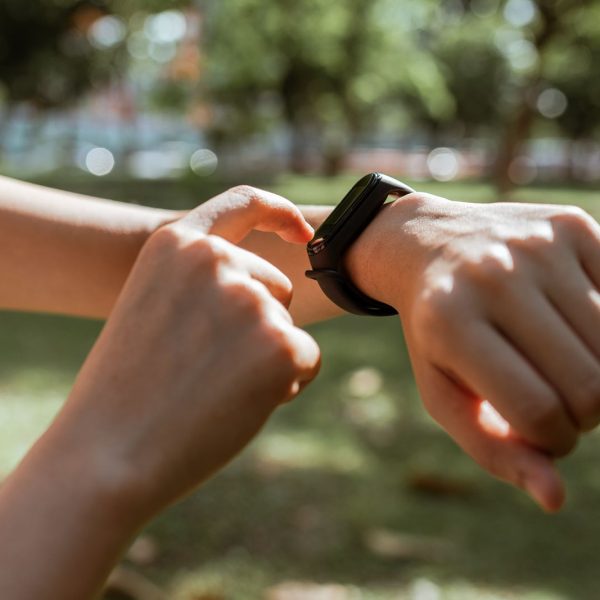
Smartwatches consolidate many wellness tools into one device: heart rate monitoring, ECG features, blood oxygen tracking, sleep analysis, and guided breathing sessions. Because they’re on your wrist all day, they build a comprehensive picture of how your habits interact—how stress affects sleep, how sleep impacts workouts, and how movement influences mood.
Many watches also offer on-screen guided workouts, interval timers, and goal-based activity rings or badges. These small gamification elements can be surprisingly motivating, turning health tasks into daily challenges you actually want to complete.
5. Smart Sleep Trackers and Mattresses for Deeper Rest
Quality sleep is the foundation of energy, mental clarity, and weight management, but it’s also one of the most overlooked elements of wellness. Smart sleep trackers—whether in the form of rings, watches, under-mattress pads, or smart mattresses—monitor sleep stages, heart rate, breathing patterns, and nighttime movement.
The insights they provide can help you identify what’s disrupting your rest: late caffeine, irregular bedtimes, screen time, or room temperature. Some devices automatically adjust mattress firmness or temperature through the night, while others optimize your wake-up time within a set window so you get up during a lighter sleep stage and feel less groggy.
6. Smart Kitchen Appliances for Fast, Healthy Meals
Eating well is easier when cooking is quick and convenient. Smart kitchen appliances—such as Wi-Fi enabled slow cookers, smart ovens, or air fryers—let you start, stop, or adjust cooking from your phone. Some connect to recipe apps that automatically set time and temperature or send notifications when it’s time to flip or stir.
Combined with meal-planning apps, you can batch-cook healthy options on autopilot: load ingredients in the morning, control the device remotely during the day, and come home to a ready meal. This reduces the temptation to default to takeout after a long day and makes home-cooked meals a realistic option even on your busiest evenings.
7. Smart Scales and Trackers for Food and Nutrition
Smart food scales and nutrition-tracking apps simplify the process of understanding what you’re actually eating. Many can scan barcodes, pull data from large food databases, and automatically log calories, macros, and micronutrients. When paired with smart scales, they can weigh food and calculate nutritional information in one step.
Smart products that make a healthy lifestyle easier, from connected scales to sleep trackers, usually need regulatory clearance in every market where they are sold, and that clearance depends entirely on the paperwork behind it. A coordination team juggling five country filings at once cannot afford document translation that arrives out of sync with the rest of the submission. Keeping translation on the same timeline as everything else is what actually gets a product to shelves on schedule.
Instead of guessing portion sizes or manually entering everything, you collect accurate data with minimal effort. Over time, this builds awareness of how different foods affect your energy levels, hunger, and performance, so you can tweak your diet without obsessing or micromanaging every bite.
8. Smart Home Gyms and Connected Equipment
Smart home gyms, connected exercise bikes, rowers, or resistance systems bring guided training, live classes, and performance tracking into your living room. These tools eliminate commuting to a gym, waiting for equipment, or planning your own workouts from scratch.
Many platforms tailor training plans to your experience level, time constraints, and goals. As you train, the system monitors your effort, suggests adjustments, and tracks progress automatically. For anyone who struggles with accountability or program design, this structure can be the difference between sporadic workouts and consistent training.
9. Smart Air Purifiers and Environment Sensors
Indoor air quality affects sleep, focus, respiratory health, and even workout performance. Smart air purifiers and sensors monitor metrics such as particulate matter, humidity, and volatile organic compounds (VOCs), then automatically adjust filtration to maintain healthier air.
Maintaining a cleaner environment can reduce allergy symptoms, congestion, and low-level fatigue that often go unnoticed but sap your energy for exercise and daily tasks. Paired with smart thermostats and humidifiers, you can keep your home in an optimal range for comfort and recovery with little ongoing effort.
10. Meditation and Mindfulness Devices for Stress Relief
Mental wellness is as important as physical health, and smart mindfulness tools help you manage stress in practical, measurable ways. Some devices use biofeedback—tracking heart rate variability or brainwave patterns—to guide you through breathing or meditation exercises in real time.
Others integrate with apps that provide structured programs for sleep, anxiety reduction, or focus. By showing you how your body responds during sessions, these tools turn mindfulness from an abstract idea into a concrete, trackable practice, making it easier to stick with and refine over time.
Conclusion: Let Technology Do the Heavy Lifting
A healthier lifestyle doesn’t have to rely on constant willpower. When smart products handle tracking, reminders, and optimization, good habits become the default instead of the exception. Whether you’re focusing on hydration, movement, nutrition, sleep, or stress, there’s a connected device that can lower the barrier to entry and keep you consistent.
The key is to choose tools that genuinely remove friction from your daily routine. Start with one or two areas where you struggle most—such as staying active, cooking at home, or getting quality rest—and layer in smart support slowly. Over time, these devices can transform your environment into an ally that quietly nudges you toward better choices, making a sustainable, healthy lifestyle not only achievable but easier to maintain.