A supplement bottle that sells well in one country can sit untouched on shelves just a few hundred miles away, and the label is often the reason. Wellness brands expanding into new markets are discovering that dosage instructions, allergen warnings, and ingredient names carry legal weight that a casual translation simply cannot handle.
Why supplement labels are riskier than they look
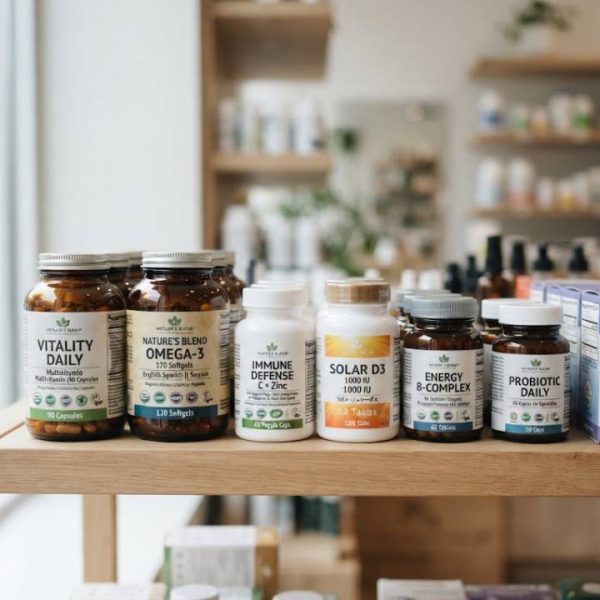
Unlike marketing copy, a supplement label is a regulatory document. Getting a dosage unit wrong, mistranslating an allergen warning, or using an ingredient name that doesn't match the local pharmacopeia can trigger customs holds or, worse, consumer safety complaints after the product is already on shelves.
Brands that treat label translation as an afterthought often discover the problem only when a shipment gets flagged at the border, long after the packaging has already been printed in bulk.
Managing dozens of label variants without losing control
A single wellness brand selling in a dozen markets can end up juggling dozens of label variants, each with slightly different regulatory requirements and update schedules. Teams that rely on spreadsheets and email threads to track these versions eventually lose track of which variant is current, and an outdated label can go to print without anyone noticing until it's too late.
Brands that adopt a proper translation management system keep every label version linked to its source text, so a single ingredient update propagates automatically to every language variant instead of requiring someone to manually hunt down and edit a dozen separate files.
The Russian-speaking market's specific label requirements
Entering Russian-speaking markets brings its own set of label conventions, including specific formatting for dosage tables and mandatory disclaimers that don't always have a direct equivalent in English. Brands that work with professional russian translation services report far fewer compliance rejections than those that rely on generic translation tools, particularly for products that fall into stricter health supplement categories.
Ukraine's growing wellness market and its translation demands
The wellness market in Ukraine has grown steadily even amid difficult circumstances, and international brands entering it face tight timelines to get products approved and shelved before a seasonal demand window closes. Companies that build a relationship with reliable providers of ukrainian to english translation avoid the scramble of last-minute label fixes when a distributor flags an inconsistency days before a shipment deadline.
What happens when brands skip professional translation
Some smaller wellness brands try to save money by having a bilingual employee handle label translation informally. This works fine for casual marketing text, but it breaks down quickly with supplement labels, where a single mistranslated unit of measurement can mean the difference between a safe dosage and a genuinely dangerous one.
Regulatory bodies in most markets don't distinguish between an honest translation mistake and deliberate mislabeling when they issue penalties, which means the financial risk of cutting corners on translation is far higher than most brands initially assume. Guidance from bodies such as the U.S. Food and Drug Administration makes clear that labeling accuracy, including for products distributed internationally, is treated as a core safety requirement rather than a minor formality.
Wellness brands rewriting labels for new markets are really rebalancing product and promotion at once. That is a marketing mix decision rather than a packaging one, since claims, price and channel all move together. Regulators tend to notice when only the wrapper changes.
How larger brands structure their label translation process
Established wellness companies increasingly separate label translation from general marketing translation, assigning it to specialists who understand both the source language and the regulatory vocabulary of the target market. This separation prevents a translator skilled in lifestyle copywriting from being handed a dosage table they aren't equipped to translate accurately.
These companies also build a standing glossary of approved ingredient names and dosage phrasing for each market, so that new product lines can be translated consistently without starting from scratch every time.
A case study from a mid-sized supplement brand
A mid-sized vitamin brand expanding from the United States into Eastern Europe initially translated its labels using a general translation agency unfamiliar with supplement regulations. Several shipments were held at customs over inconsistent allergen wording, costing the company weeks of delayed sales during a peak season. After switching to translators who specialized in health and wellness labeling, the same brand cleared customs in its next three market launches without a single hold.
Why customer trust depends on label accuracy
Wellness customers who read supplement labels carefully tend to be some of the most label-literate consumers in retail, often cross-referencing ingredient lists against allergies or medication interactions before purchasing. A label that reads as slightly off, even if technically compliant, can quietly erode trust in a brand that otherwise markets itself around transparency and health.
Brands that invest in precise, market-appropriate label translation from the outset tend to build stronger long-term loyalty in each new market, simply because customers never have reason to question whether the product on the shelf matches what the packaging claims.
What this means for brands planning their next market entry
As more wellness brands look toward international expansion, label translation is increasingly treated as a core part of regulatory strategy rather than a final packaging step. The brands that get this right rarely make headlines for it, but the ones that get it wrong often end up explaining a product recall instead.