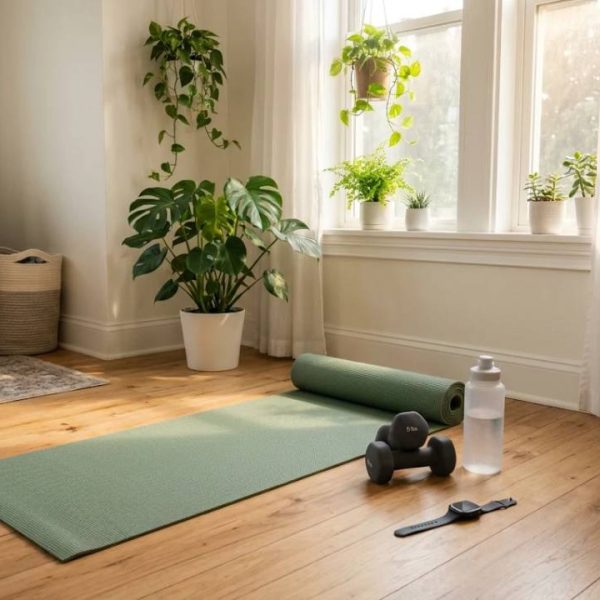
Almost everyone has bought a piece of fitness equipment that ended up as an expensive coat hanger. The excitement of a new year, a sale or a social media video leads to a purchase, and a few weeks later the item sits in a corner. The solution is not more motivation. It is smarter choices that fit your space, your schedule and your real habits, so that exercising at home feels easy instead of forced.
Start With a Clear Goal
Before you shop, decide what you want to achieve. Better general fitness, more strength, improved flexibility and weight management each call for different tools. Write down your goal and the number of days you can realistically train. A person who wants twenty minutes of movement before work needs very different gear from someone planning long weekend sessions.
Measure Your Space
Home workouts often happen in small rooms, so check how much floor you have. A yoga mat needs roughly the size of a single bed, while a treadmill or a rowing machine takes a permanent spot. Look for equipment that folds, stacks or slides under furniture, and keep a clear area around you for safe movement.
The best fitness equipment is the one you can set up in thirty seconds, because every extra step makes skipping a workout easier.
Build a Starter Set That Works
A small group of versatile items covers most needs. Resistance bands are light, cheap and good for strength and rehabilitation. Adjustable dumbbells replace a whole rack of weights. A thick, non slip mat protects joints and floors, and a jump rope gives you cardio in a tiny space. A foam roller helps with recovery after hard sessions.
Match the Weight and Resistance to Your Level
Beginners often buy weights that are either too light to matter or too heavy to use safely. Choose items with adjustable resistance so you can progress step by step. Start with lighter loads, focus on good form and increase gradually when the movements feel easy for several sessions in a row.
Check Quality and Safety
Look closely at materials, stitching and locking mechanisms. Handles should feel firm, bands should be free of cracks and mats should lie flat without curling. Read the maximum user weight on larger equipment and make sure it suits you. Cheap items can be perfectly good, but unclear descriptions and missing safety information are warning signs.
Think About Noise and Neighbors
If you live in an apartment, noise matters. Rubber coated weights, thick mats and quiet cardio machines keep the peace with the people below you. A jump rope on a hard floor can be loud, so consider a mat or choose low impact alternatives on days when the house is full.
Use Technology Sensibly
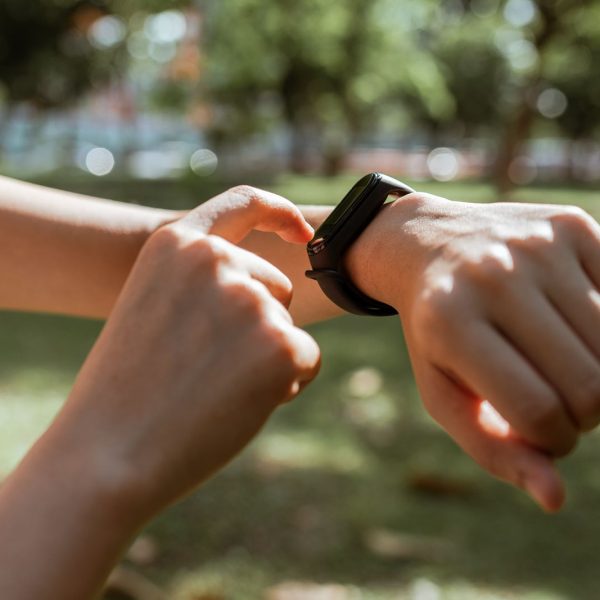
Smart watches and fitness trackers can show steps, heart rate and sleep, which many people find motivating. Treat the numbers as feedback instead of a judgment. The NHS exercise guidelines explain how much activity adults generally need each week, and they offer simple, realistic ideas for building movement into daily life.
Shop Smart Online
Read several reviews and look for comments from long term users, not only first impressions. Check the return policy, delivery costs and warranty before you pay. Compare dimensions and weights carefully, because photos can make small items look larger. A clear description, a real contact address and honest photos usually point to a reliable seller.
Why Language Matters for Online Shops
Shoppers feel safer when product pages, sizing charts and return policies are written in their own language. Stores that sell fitness and wellness products across borders therefore adapt their listings for each market. Nordic customers in particular value clear, detailed information, and sellers often use Danish translation services to prepare product descriptions, safety notes and customer service messages that read naturally.
The reason is simple, and this article on why shoppers buy in their native language explains how language affects trust and purchase decisions.
Create a Routine You Can Keep
Link your workout to something you already do, such as brushing your teeth or making morning coffee. Keep the equipment visible, and plan the exact time in your calendar. Start with short sessions of ten to fifteen minutes and build up. Consistency over many weeks matters far more than a heroic first week.
Track Progress in a Simple Way
Use a notebook or a phone note to record what you did, how long it took and how you felt. Small improvements, such as one extra repetition or a smoother movement, are encouraging signs. Review your notes every month and adjust the plan, the weights or the schedule when you need a fresh challenge.
Care for Your Gear
Wipe mats and handles after use, store bands away from direct sunlight and check screws and locks from time to time. Well maintained equipment lasts longer, feels safer and keeps looking good enough that you want to use it. A tidy corner with everything in its place is a quiet invitation to move every day.